Fake FitFlops, Real Consequences: Why That $20 Knockoff Is Actually the Most Expensive Shoe You'll Ever Buy
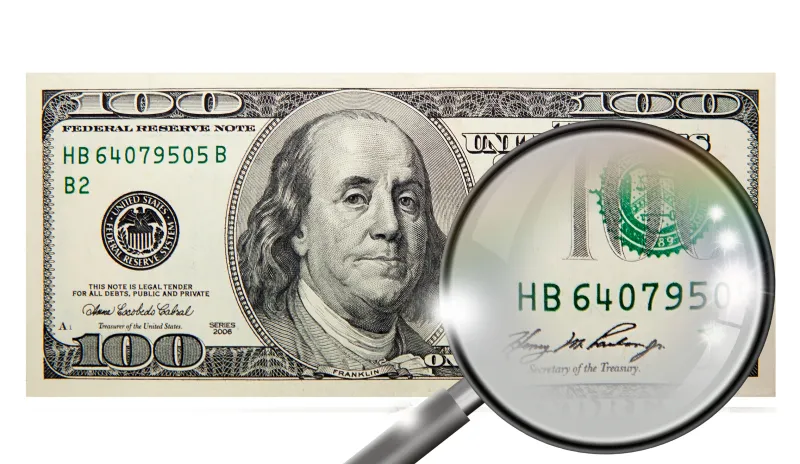
Photo: counterfeit shoes comparison authentic vs fake footwear, via blog.fraudfighter.com
Let's be honest — when you spot a pair of FitFlops listed at $22 on some third-party marketplace, there's a split second where your brain does the math and thinks maybe. Maybe they're overstock. Maybe somebody got a killer deal and is flipping them. Maybe you're about to score the bargain of the century.
You're not. And understanding exactly why could save you a lot of money, foot pain, and frustration.
The Counterfeit FitFlop Market Is Bigger Than You Think
FitFlop is one of the most counterfeited comfort footwear brands in the world. That's not hyperbole — it's a documented problem that the company itself has had to address repeatedly through legal action and consumer warnings. Fake versions circulate heavily on platforms like Amazon third-party listings, AliExpress, eBay, and even some Etsy shops. They're photographed to look nearly identical to the real thing, often using stolen product images or near-perfect logo replicas.
The giveaways are subtle if you don't know what to look for: slightly off colorways, stitching that doesn't quite line up, insoles that feel oddly stiff or foam-like instead of the brand's signature Microwobbleboard midsole. By the time you notice, you've already paid, the return window has closed, and you're stuck with a shoe that's essentially a slab of cheap EVA foam dressed up in a FitFlop costume.
What You're Actually Getting (And Not Getting)
Here's where the real cost analysis starts to sting. Authentic FitFlops are engineered with multi-density midsole technology specifically designed to distribute pressure across the foot, reduce joint strain, and support natural gait. That engineering doesn't happen by accident — it's the result of years of biomechanical research and proprietary manufacturing.
Counterfeit versions use none of that. They're made with generic foam compounds that compress unevenly, offer zero arch differentiation, and typically break down within weeks of regular wear. In practical terms, you're buying a shoe that:
- Provides no meaningful arch support, which can worsen plantar fasciitis and other common foot conditions
- Degrades rapidly, usually within one to two months of daily wear
- Carries no warranty, because no legitimate company made it
- May contain harmful materials, since counterfeit goods aren't subject to US consumer safety standards
That last point is worth pausing on. Several independent tests of counterfeit shoes have detected elevated levels of phthalates and other chemicals banned in legitimate footwear sold in the US. You might be saving $60 upfront while unknowingly exposing your feet to materials that would never pass FDA or CPSC scrutiny.
The Cost-Per-Wear Breakdown
Let's do the math that the knockoff market doesn't want you to do.
A genuine pair of FitFlop sandals purchased at full retail runs roughly $80 to $130 depending on the style. On sale — and they do go on sale regularly, especially through authorized retailers and right here at FitFlop Sale Hub — you're often looking at $50 to $75 for current-season styles, and even less for prior-season inventory.
Wear a quality pair daily through a six-month warm season and you're looking at roughly 180 days of use before any meaningful wear sets in. That puts your cost-per-wear somewhere between $0.28 and $0.44 per day.
Now take that $22 knockoff. If it lasts six weeks of regular use — which is optimistic — you've paid about $0.52 per day for a shoe that hurt your feet and did nothing to support your joints. Most people who buy knockoffs end up buying two or three pairs across a season trying to find one that holds up. Suddenly you've spent $60 to $80 on garbage foam and you're right back where you started, except now your feet hurt.
How to Spot a Legitimate Deal vs. a Financial Trap
The good news: you don't have to pay full retail to get the real thing. Authentic FitFlops at genuine discounts exist — you just need to know where to look and what to trust.
Stick to authorized channels. FitFlop's own website runs seasonal sales, especially around major shopping holidays. Authorized retailers like Zappos, Nordstrom Rack, and DSW carry legitimate inventory at reduced prices. Department store clearance sections are also a reliable source for previous-season styles at steep markdowns.
Be skeptical of third-party marketplace listings. Even on Amazon, check the seller name carefully. If it's not "Ships from and sold by Amazon" or a verified brand-authorized seller, approach with caution. Read reviews specifically for comments about authenticity — shoppers who've received fakes often say so directly.
Price is your first red flag. FitFlop's manufacturing quality means the brand rarely authorizes discounts below 40 to 50 percent off retail. If something is listed at 80 percent off from a seller you've never heard of, that's not a deal — that's a red flag with a logo on it.
Check for warranty information. Authentic FitFlops come with manufacturer warranty support. Counterfeits don't. If a listing doesn't mention any return or warranty policy, or if the seller seems evasive when you ask, walk away.
What Happens When Your Feet Pay the Price
Beyond the financial loss, there's a health cost to counterfeit footwear that doesn't show up on the receipt. People who switch from properly engineered comfort shoes to cheap imitations often experience a return of symptoms they thought they'd resolved — heel pain, ball-of-foot soreness, lower back tension that creeps back in after a few weeks.
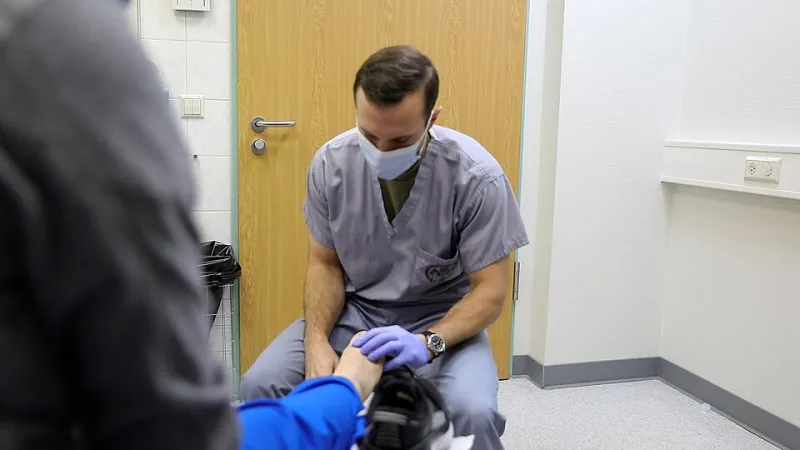
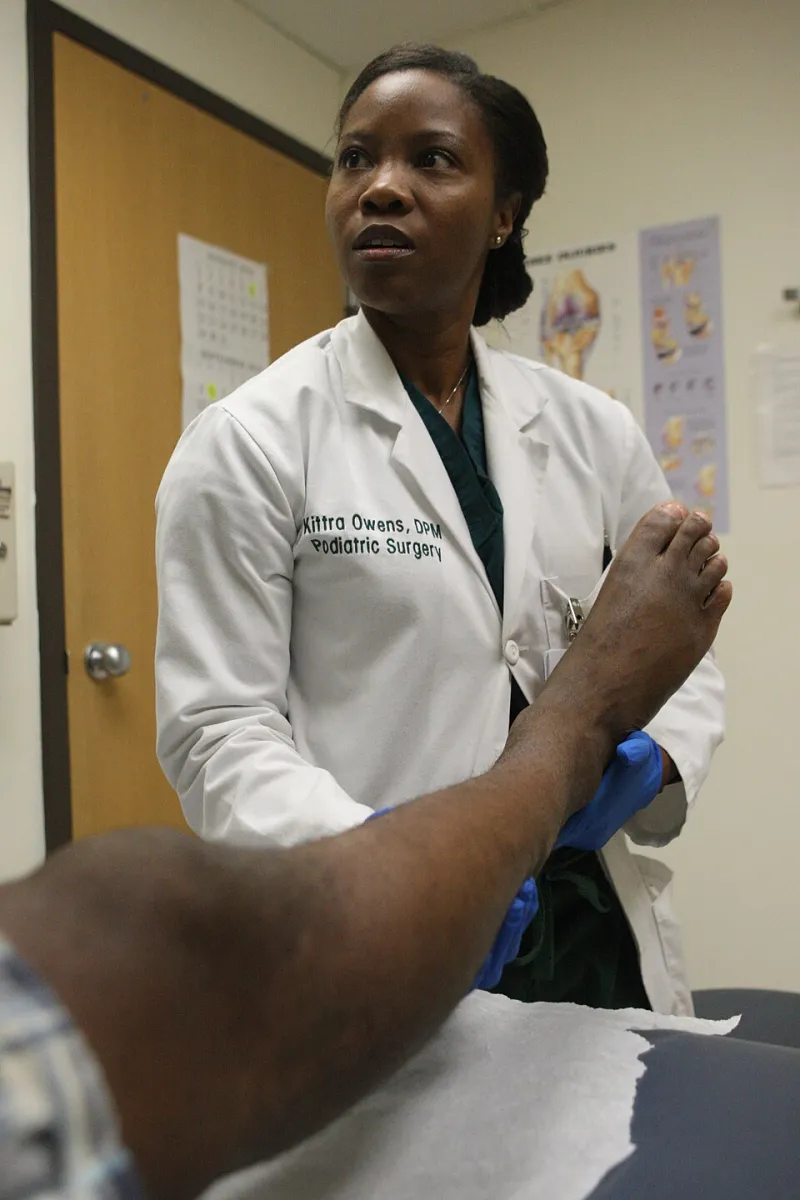
For people managing conditions like plantar fasciitis, flat feet, or post-surgical recovery, this isn't just inconvenient. It can mean setbacks that require additional medical attention. The irony is brutal: trying to save money on shoes can end up costing you far more in physical therapy or podiatry visits.
The Bottom Line
Authentic FitFlops at sale prices are genuinely one of the better investments in everyday comfort footwear available to US shoppers right now. The deals are real, the discounts are legitimate, and the engineering holds up across seasons of regular wear. What isn't worth your money — or your foot health — is any version of this shoe that didn't come from a source you can verify.
The counterfeit market banks on the idea that you won't do the math. Do the math. The numbers make the choice pretty obvious.