Skip the Orthotics or Stack Them? What Foot Doctors Actually Say About FitFlops
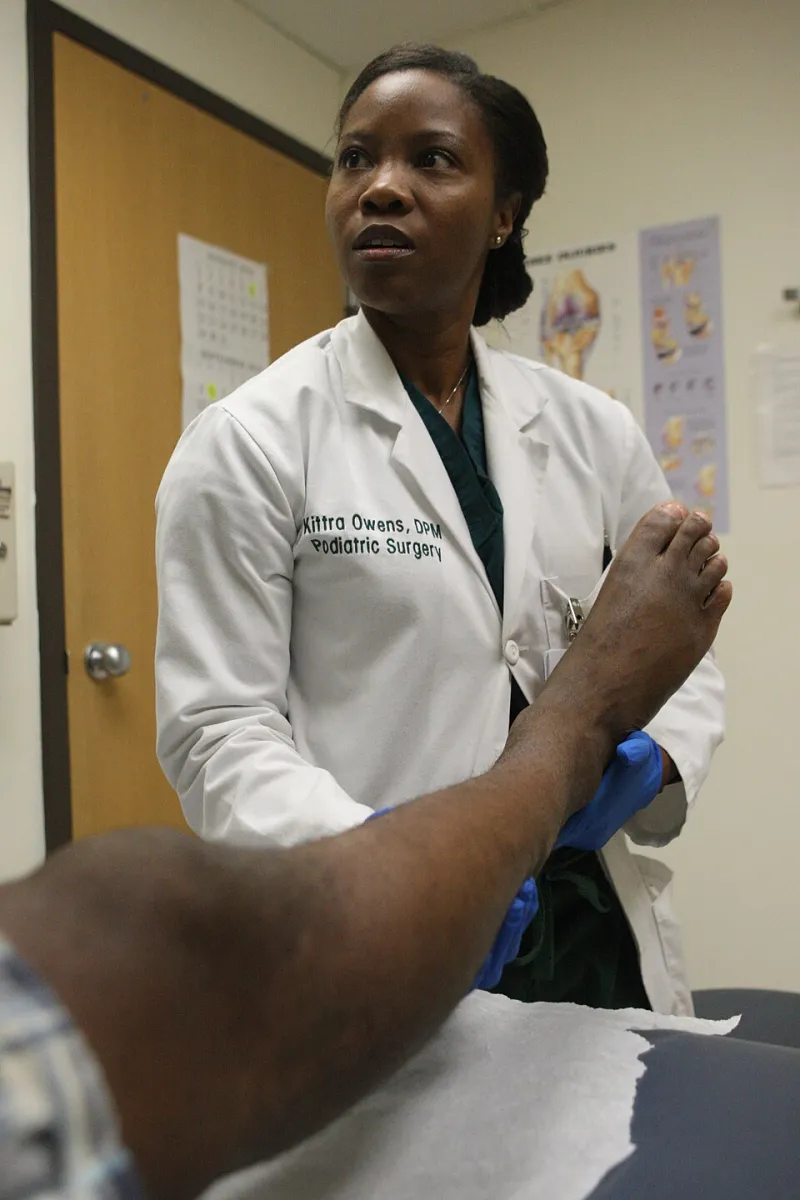
Photo: Lance Cpl. Jonathan G. Wright, Public domain, via Wikimedia Commons
Custom orthotics can run anywhere from $300 to $800 a pair. FitFlops, depending on the style and where you snag them on sale, might set you back $60 to $130. So when shoppers discover that FitFlops are engineered with serious biomechanical intent — not just slapped together with extra cushioning — the natural question becomes: can these shoes do the job my orthotics are supposed to do?
The honest answer? It depends on your feet. But the more helpful answer involves understanding what each solution actually does — and where they overlap.
What FitFlops Are Actually Built to Do
FitFlop doesn't just market itself as a comfortable shoe brand. The company invests heavily in what it calls "Microwobbleboard" and related midsole technologies designed to distribute pressure more evenly across the foot, reduce joint stress, and encourage a more natural gait. These aren't buzzwords — independent biomechanics research has supported the idea that FitFlop's midsole construction meaningfully changes how load is absorbed during walking.
For everyday shoppers dealing with general foot fatigue, mild arch discomfort, or the kind of soreness that comes from standing on hard floors all day, this engineering can be genuinely game-changing. Many people find that switching to FitFlops reduces or eliminates the foot pain they'd been managing for years.
But here's where a podiatrist's perspective gets important.
What a Podiatrist Will Tell You (That Marketing Won't)
Dr. Emily Sacks, a licensed podiatrist based in Chicago who works with both recreational walkers and post-surgical patients, puts it plainly: "FitFlops are one of the better over-the-counter options I've seen for general foot support. For patients with mild pronation, plantar fasciitis in its early stages, or just chronic fatigue from poor footwear choices, they can absolutely serve as a primary intervention."
But she's quick to add context. "Custom orthotics are prescribed devices. They're made from a mold of your specific foot to correct a specific mechanical issue. A well-designed shoe like FitFlop can complement that — or in mild cases, substitute for it — but it's not a one-size-fits-all answer."
Dr. Marcus Tran, a sports podiatrist in Austin, Texas, echoes this. He frequently recommends FitFlops to patients transitioning out of physical therapy or managing chronic conditions like posterior tibial tendon dysfunction. "I see FitFlops as a smart lifestyle shoe choice for people who need more support than a standard sneaker but don't have a severe structural issue requiring custom correction," he says. "For someone with a rigid flat foot or significant leg length discrepancy, though, we're going to need something more precise."
Conditions Where FitFlops May Be Enough
For a lot of Americans, the foot issues they're dealing with fall into the "manageable with good footwear" category. Here's where FitFlops tend to shine as a standalone solution:
- Mild plantar fasciitis: The cushioned arch support and heel cup in styles like the FitFlop Lulu or Rally sneaker can reduce morning heel pain for many sufferers.
- General overpronation: FitFlop's midsole geometry helps guide the foot into a more neutral position without requiring a hard corrective device.
- Ball-of-foot pain (metatarsalgia): The pressure-distributing midsole takes load off the metatarsal heads, which is often exactly what these patients need.
- Post-surgical recovery (with doctor approval): Many podiatrists recommend supportive slip-ons like FitFlop's Shuv or Iqushion range during low-impact recovery phases.
When You Probably Need Both
This is where the conversation shifts. Certain structural and chronic conditions genuinely require the precision that only a custom-molded device can provide — and in those cases, wearing FitFlops in addition to orthotics can actually be a smart move, since the shoe itself won't fight against the insert's corrective intent.
Conditions that typically warrant custom orthotics include:
- Severe flat feet (pes planus): A rigid or semi-rigid custom insert provides arch support that no off-the-shelf shoe, however well-engineered, can fully replicate.
- High arches (pes cavus): These feet need very specific lateral support and cushioning placement that custom devices can deliver.
- Leg length discrepancy: Only a lift built into a custom orthotic can address the skeletal imbalance at play.
- Diabetic foot complications: Patients with neuropathy or ulcer risk need medical-grade custom footwear solutions, full stop.
If you're in one of these categories, the good news is that FitFlops are often compatible with custom inserts — though it's worth checking with your podiatrist, since some FitFlop styles have non-removable footbeds.
The Cost-Benefit Breakdown
Let's be real about the financial side of this. Custom orthotics, even with decent insurance coverage, can cost hundreds of dollars out of pocket. Over-the-counter orthotics (brands like Superfeet or Powerstep) run $40 to $60 and work well for many people.
A pair of FitFlops purchased on sale — which is exactly what we're here to help you do — might run $70 to $100 for a style that delivers meaningful arch support, pressure redistribution, and all-day wearability. If that shoe can replace or delay the need for a $500 custom orthotic for someone with mild-to-moderate foot issues, that's a significant financial win.
For shoppers who already have custom orthotics and are looking for shoes that won't undermine them, FitFlops with removable insoles (check product descriptions carefully) are a solid pick. You get the biomechanical shoe construction plus your custom correction layer.
The Bottom Line
FitFlops are genuinely impressive from a foot health standpoint — more so than most casual shoes at any price point. For a large portion of the population dealing with everyday foot discomfort, they can absolutely serve as a primary support solution without any additional intervention.
But foot health isn't one-size-fits-all. If you're managing a diagnosed structural condition or you've been prescribed orthotics by a podiatrist, don't toss them out just because you found a great deal on a pair of FitFlop sandals. Talk to your foot doctor, ask whether your specific FitFlop style is compatible with your insert, and consider whether the two together might actually give you the best of both worlds.
Either way, starting with a well-engineered shoe is always the right first step — and on that front, FitFlops have a genuinely strong case to make.