Ditch the Doctor Bills: How a Simple Shoe Swap Is Saving Americans Thousands in Foot Pain Treatments

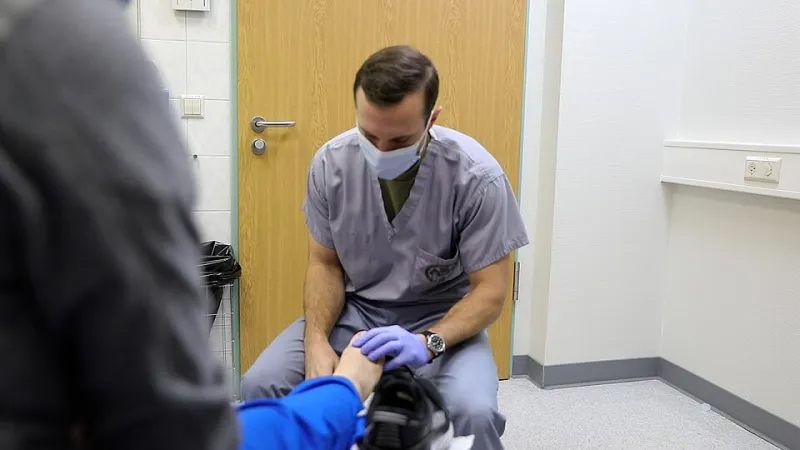
Photo: person relieved foot pain comfortable shoes sitting removing shoes, via insideflyer.com
Amy Kowalski, a 44-year-old retail manager from Columbus, Ohio, spent nearly two years chasing a fix for her chronic heel pain. She tried cortisone injections at $300 a pop, a round of physical therapy that ran her insurance ragged, and a pair of custom orthotics that cost over $600 out of pocket. Nothing stuck. Then, almost by accident, she swapped into a pair of FitFlop sandals she'd spotted on sale — and within three weeks, the morning hobble to the bathroom had all but disappeared.
"I felt kind of embarrassed, honestly," she admits. "Like, why didn't anyone just tell me to try different shoes first?"
Amy's story isn't unusual. Across the country, people dealing with plantar fasciitis, metatarsalgia, ball-of-foot pain, and general arch fatigue are landing on the same quiet revelation: the right footwear can do a lot of the heavy lifting that expensive treatments never quite managed. And yet this solution barely gets a mention in the broader health conversation.
The Real Cost of Chasing Foot Pain Relief
Let's talk numbers for a second, because they're genuinely eye-opening.
A single podiatrist visit in the US typically runs between $200 and $400 without insurance — and most people don't stop at one. Physical therapy for foot and ankle issues averages around $75 to $150 per session, with a standard treatment course lasting six to eight weeks. Custom orthotics? You're looking at $400 to $800, and many insurance plans cover them partially at best. Corticosteroid injections hover around $100 to $300 per shot, often requiring repeat treatments. Add it all up and it's not hard to see how a foot pain journey can quietly cost someone $2,000 to $5,000 — or more — before they feel genuinely better.
Now compare that to a pair of FitFlops, which typically range from $60 to $130 at retail, and can often be found at a significant discount through sale events or clearance deals. Even at full price, the math is stark.
Why Shoes Get Overlooked as a Medical Solution
So why doesn't your doctor lead with "try better shoes" before reaching for the prescription pad or the referral slip? A few reasons, actually.
First, footwear isn't exactly a billable medical intervention. The healthcare system is structured around treatments, procedures, and products that flow through clinical channels. A shoe recommendation doesn't generate a follow-up appointment or an insurance claim.
Second, the science behind biomechanically engineered footwear has taken time to accumulate enough weight to break into mainstream clinical conversations. Podiatrists and orthopedic specialists are increasingly aware of it, but general practitioners — the first stop for most people with aching feet — often aren't up to speed.
Third, and maybe most importantly, people tend to underestimate how much their footwear is contributing to their pain in the first place. We wear shoes every single day. We don't think of them as a health variable the way we think about diet or exercise. But the surface your feet spend 12 to 16 hours a day on is absolutely a health variable — possibly one of the most significant ones.
What Makes Biomechanical Footwear Different
FitFlop built its reputation on a specific engineering approach: designing midsoles that distribute pressure more evenly across the foot, reduce peak loading on sensitive areas like the heel and ball of the foot, and encourage a more natural gait cycle. The brand's Microwobbleboard technology — developed in partnership with biomechanics researchers — is designed to engage the muscles of the foot and lower leg in a way that standard flat or rigid footwear simply doesn't.
The result, for many wearers, is reduced fatigue and less localized pain — particularly in the heel, arch, and forefoot. That's not marketing language. A number of independent biomechanics studies have examined pressure distribution in FitFlop footwear and found measurable differences compared to conventional shoes.
For people dealing with plantar fasciitis specifically, the combination of arch support, cushioned heel strike, and forefoot offloading that FitFlops provide hits several of the same therapeutic targets that expensive orthotics aim for — at a fraction of the price.
Real People, Real Results (and Real Frustration)
David Marsh, a 58-year-old teacher from suburban Atlanta, had been dealing with metatarsalgia — pain in the ball of the foot — for nearly three years. He'd done the rounds: podiatrist, physical therapist, metatarsal pads, two different pairs of custom orthotics. "I spent probably $3,000 trying to fix this," he says. "And I still couldn't stand through a full school day without my feet screaming at me."
A colleague suggested he try FitFlop sneakers. He was skeptical. He bought a pair on sale for under $80. "Within two weeks I noticed a real difference. By the end of the month I was standing through entire days without that burning sensation. I was honestly a little angry. Why did it take me three years and thousands of dollars to get here?"
That mix of relief and frustration is a recurring theme. People feel grateful for finally finding something that works — and genuinely annoyed that nobody pointed them toward it sooner.
This Isn't a Knock on Medical Care
To be clear: there are absolutely foot conditions that require professional medical intervention. Stress fractures, nerve entrapments, severe deformities, and certain structural issues need clinical attention. Nobody should ignore serious symptoms or skip necessary care.
But for the enormous population of Americans dealing with everyday foot pain driven by biomechanical stress, poor footwear choices, or repetitive strain from long hours on hard floors — which, honestly, describes the majority of foot pain complaints — the shoe-swap solution deserves to be a first-line conversation, not an afterthought.
Where to Start Without Breaking the Bank
If you're currently in the cycle of expensive treatments that aren't delivering results, or you're just starting to deal with foot pain and want to try the lowest-cost intervention first, here's a practical approach:
Start with a style that matches your daily routine. FitFlop makes sandals, sneakers, loafers, boots, and clogs — so there's usually an option that works for whatever your day looks like, whether that's a retail floor, a classroom, or a home office.
Shop the sales. FitFlop footwear goes on sale regularly, and end-of-season clearance events can bring prices down by 30 to 50 percent. Buying smart means you can test the waters without a significant financial commitment.
Give it a genuine trial period. Most people who report real relief from switching to FitFlops notice a difference within two to four weeks of consistent wear. Don't judge the results after two days.
Track your symptoms. Keep a simple note on your phone about pain levels before and after the switch. This is useful both for gauging the results and for any future conversations with a healthcare provider.
The Bottom Line
The quiet revolution happening in foot pain management isn't coming from a new pharmaceutical or a cutting-edge procedure. It's coming from people who got tired of spending thousands on treatments that didn't work and decided to try something simpler. For millions of Americans, a well-engineered shoe — bought on sale, worn consistently — has delivered more relief than years of clinical intervention.
That's worth talking about a lot more than we currently do.