Sponsored Smiles vs. Real Results: How to Actually Trust a FitFlop Review Online
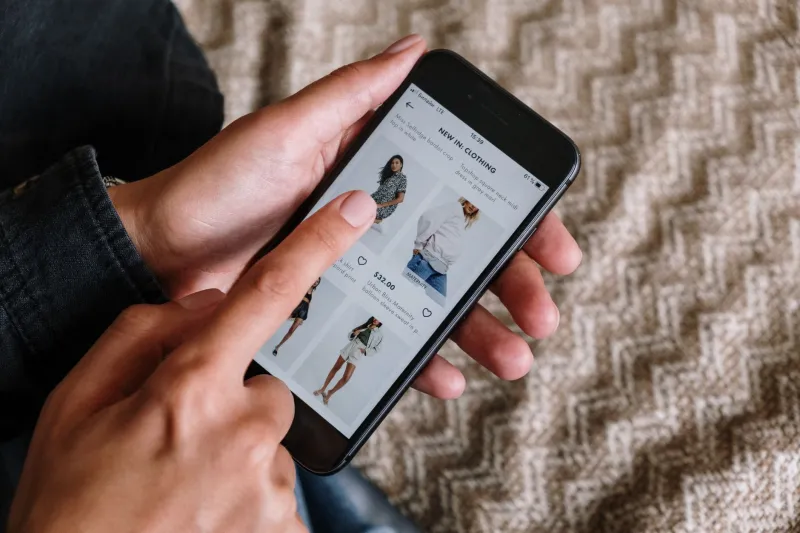
Open up any major social platform and search "FitFlop review" and you'll find hundreds of results. Polished unboxing videos. Cheerful blog posts with professional photography. Enthusiastic TikToks from creators who seem genuinely delighted by their new sandals. It looks like a lot of real feedback from real people.
Some of it is. A lot of it isn't.
Understanding the difference — and knowing where to actually find trustworthy information about comfort footwear — can save you money, spare you disappointment, and help you make purchases you'll actually be happy with long-term.
The Influencer Economy Around Comfort Footwear
FitFlop is a legitimate brand with a loyal following, which means it's also a brand that attracts significant marketing investment. Like most established footwear companies, FitFlop works with influencers across a range of audience sizes — from major lifestyle accounts with millions of followers to mid-tier fashion bloggers with tens of thousands.
This isn't inherently dishonest. Influencer marketing is a legal, widely-used promotional strategy, and the FTC requires that paid partnerships be disclosed. The problem is that disclosure doesn't always translate to transparency, and even technically compliant disclosures can be easy to miss or easy to dismiss.
Here's what the commercial reality of shoe influencer content often looks like behind the scenes: A creator receives free product (sometimes a stipend on top of that), agrees to post within a certain timeframe, and often agrees to certain messaging guidelines. The resulting content may be genuinely positive — the creator might actually like the shoes — but it was created within a commercial framework that shapes what gets said and what doesn't.
Nobody in a paid partnership is going to tell you that the sizing ran small, that the strap rubbed a blister, or that the sole compressed significantly after two months. That's not the deal they signed.
Mega-Influencers vs. Micro-Influencers: Why Size Isn't Everything
One of the most practically useful things you can understand about online reviews is the relationship between audience size and authenticity.
Accounts with millions of followers have real commercial value — and that value comes with real commercial strings. A creator at that scale is almost certainly working with a talent agency, signing formal contracts, and operating within brand guidelines. Their content is polished because it's professional. That's not a criticism; it's just a description of how that world works.
Micro-influencers — creators with audiences between roughly 5,000 and 50,000 followers — operate differently. Many of them are approached by brands for gifted product, but the formal contract structures and strict messaging requirements are less common at that scale. More importantly, their audiences are typically tighter-knit communities where trust is the whole currency. A micro-influencer who posts a glowing review of something that doesn't deliver will hear about it from their followers immediately.
For footwear research, this means a detailed review from a 12,000-follower running mom in Tennessee who genuinely bought her FitFlops and wore them for three months is almost certainly more useful than a 90-second sponsored reel from a celebrity lifestyle account. The former has skin in the game. The latter has a contract.
Red Flags in Comfort Footwear Reviews
With a little practice, it becomes fairly easy to spot content that's commercially motivated versus organically produced. Here's what to watch for:
The disclosure is buried or vague. "Thanks to FitFlop for this collab" at the end of a caption, or a tiny #ad hashtag in a sea of other tags, is technically compliant but designed to be overlooked. Genuine reviewers who received product for free and want to be transparent will make that clear upfront.
There are no negatives whatsoever. Every product has tradeoffs. If a review mentions zero drawbacks — no sizing quirks, no break-in period, no style limitations — that's a signal the reviewer either had very limited experience with the product or was constrained in what they could say.
The review is extremely timely. A post that goes up within days of a product launch, with professional-quality photos, almost certainly came from a PR send. That's not automatically dishonest, but it means the reviewer had the product for a very short time before publishing.
The language sounds like a press release. Phrases like "biomechanically engineered for all-day comfort" or "the perfect blend of style and support" are marketing copy, not personal experience. Real reviewers describe how their feet felt after a six-hour shift, not abstract brand attributes.
The comment section is suspiciously quiet or suspiciously positive. Authentic reviews generate real conversation — questions, disagreements, personal anecdotes. A review post with only heart emojis and "I need these!" comments may have had its engagement managed.
Where Independent Reviews Actually Live
If influencer content is unreliable, where should you look?
Verified purchase reviews on retail sites are imperfect but valuable. Amazon, Zappos, and Nordstrom all have verified purchase systems that make it harder (though not impossible) to fake reviews. Look for reviews that describe specific experiences — "wore these to a theme park for eight hours" — rather than generic praise.
Reddit and footwear forums are genuinely underutilized for this kind of research. Communities like r/femalefashionadvice, r/walking, and various foot health subreddits have real discussions about comfort footwear that aren't shaped by brand relationships. People on Reddit will tell you exactly when something didn't work for them.
Long-term reviews — content from people who've owned a product for a year or more — are rare but incredibly valuable. Most sponsored content is published within weeks of receipt. A blogger who revisits a FitFlop sandal after eighteen months of wear is giving you something money can't buy.
Independent deal and review sites that aren't funded by brand partnerships offer a different kind of value. At FitFlop Sale Hub, our editorial focus is on helping you find genuine deals and make informed purchases — not on maintaining brand relationships that would compromise that. We're not in the business of sponsored smiles.
How to Shop Smarter in a Noisy Market
None of this means you should distrust every positive FitFlop review you encounter. FitFlops have a genuinely large and genuinely enthusiastic customer base, and a lot of that enthusiasm is completely organic. The brand has earned real loyalty by making shoes that work.
But earned loyalty and manufactured content can look identical on a feed. The difference is in the details — the specificity of the experience, the presence of honest tradeoffs, the transparency about how the review came to exist.
Train yourself to ask: Would this person have written this if they'd paid for it themselves? That question cuts through a lot of noise.
And when you're ready to actually make a purchase, focus your research on sources with nothing to gain from your specific buying decision. That's where the most useful information lives — and it's the kind of information that leads to shoes you'll actually love wearing.